November 9, 2026
Living trees represent valuable natural assets on any residential or commercial property. A vibrant canopy provides cooling shade, filters ambient air, and shields surrounding structures from intense weather. However, sustaining healthy trees requires consistent oversight rather than sporadic reactions to fallen limbs. Scheduling professional tree services on a routine basis preserves this living infrastructure while protecting people, buildings, and grounds from sudden hazards. When arborists inspect root systems, prune heavy limbs, and monitor bark conditions, properties retain their natural elegance and structural stability.
Determining proper service frequency involves balancing biological and environmental factors. Soil moisture, local storm patterns, and species vulnerabilities all shape the care calendar for individual properties. While some resilient specimens flourish with infrequent trimming, other varieties demand recurring care to maintain stable limb structure. Property owners who develop proactive care habits avoid hazardous situations, reduce the burden of sudden canopy failures, and ensure their landscapes remain vibrant across every growing season.
Assess Growth and Health
Trees move through dynamic developmental phases that dictate ongoing maintenance demands. Young saplings channel energy into establishing deep root networks and expanding main structural trunks. Regular structural pruning during this formative phase trains branches to grow with proper spacing, establishing sturdy architecture that prevents branch failure later in life. Conversely, mature specimens shift biological energy toward maintaining stability, producing dense foliage, and defending against fungal pathogens. Scheduling regular tree services during these distinct life stages allows arborists to deliver targeted treatments that match the physiological requirements of each tree.
Species variations and site conditions also dictate how often care teams should evaluate your landscape. Fast-growing trees produce brittle wood that requires frequent trimming to prevent limb failure during heavy storms. Slow-growing varieties demand less structural shaping, yet they benefit from routine canopy inspections. Urban landscapes introduce compacted soil, limited root expansion space, and airborne pollutants that accelerate stress across all species. Watching for warning signs like cracked bark, premature leaf drop, and sudden canopy thinning enables property owners to address stress before severe damage spreads throughout the root zone.
Select Treatments and Procedures
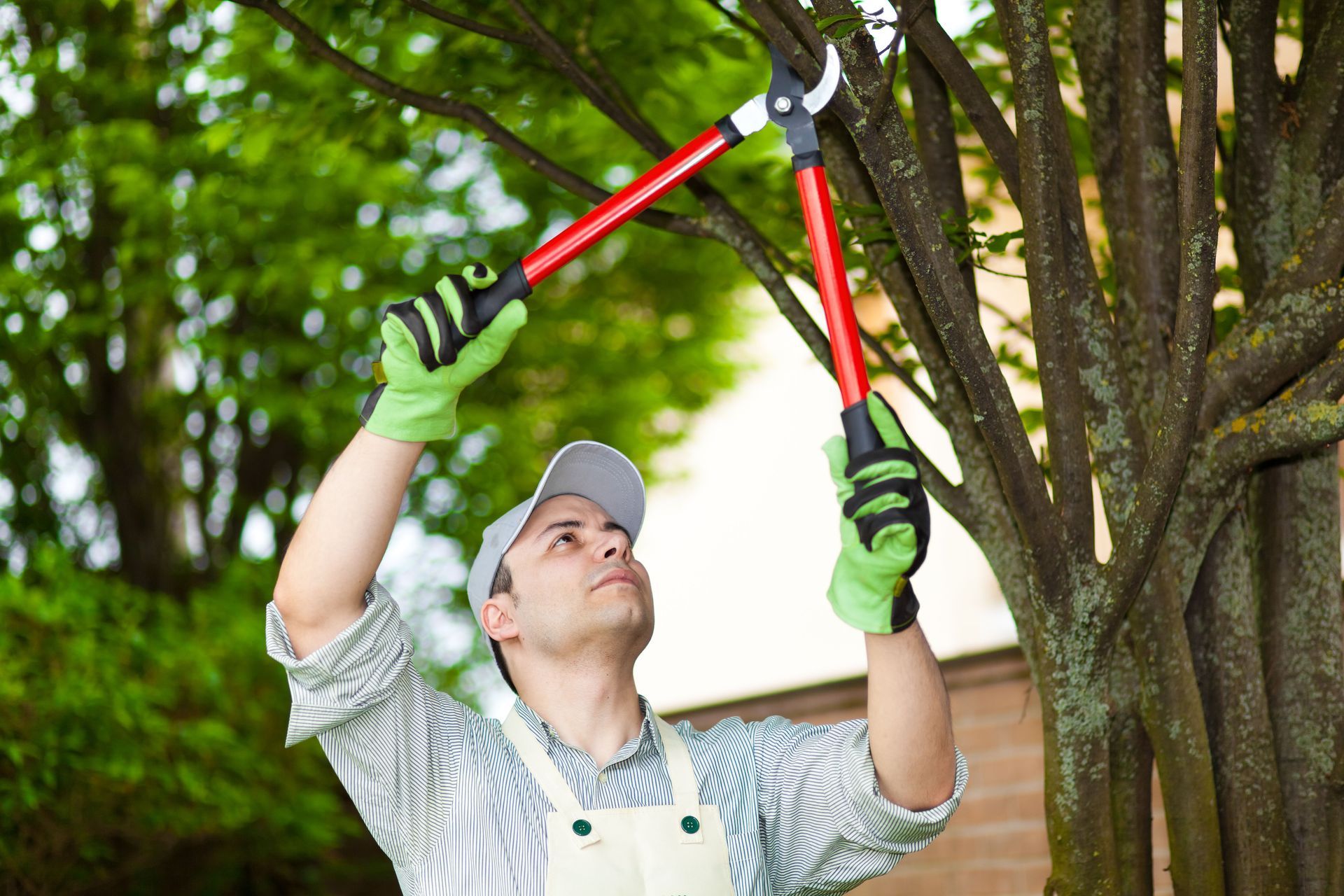
Comprehensive tree care encompasses a broad spectrum of specialized solutions designed to preserve stability and landscape appeal. Precision trimming and pruning eliminate diseased, dying, or rubbing branches while letting air and sunlight penetrate into dense interior canopies. This improved air circulation reduces moisture buildup, which helps deter damaging fungal spores. When structural deficiencies or severe decay make preservation impossible, skilled removal becomes vital to safeguard nearby dwellings. Following a removal, thorough stump grinding eliminates underground hazards, removes habitat for wood-boring insects, and clears the surrounding soil for new planting.
Preservation treatments also extend beyond pruning and removals to reinforce weakened structural frameworks. Qualified crews install flexible cables and rigid braces within the upper canopy to stabilize heavy stems during high winds. Deep root fertilization delivers vital nutrients directly to feeding roots, overcoming the nutrient depletion common in residential turf. Routine health evaluations detect wood-boring pests and foliage diseases before irreversible decline occurs. Incorporating these varied tree services ensures that every specimen receives precise care suited to its structural challenges and biological vulnerabilities.
Enhance Safety and Value
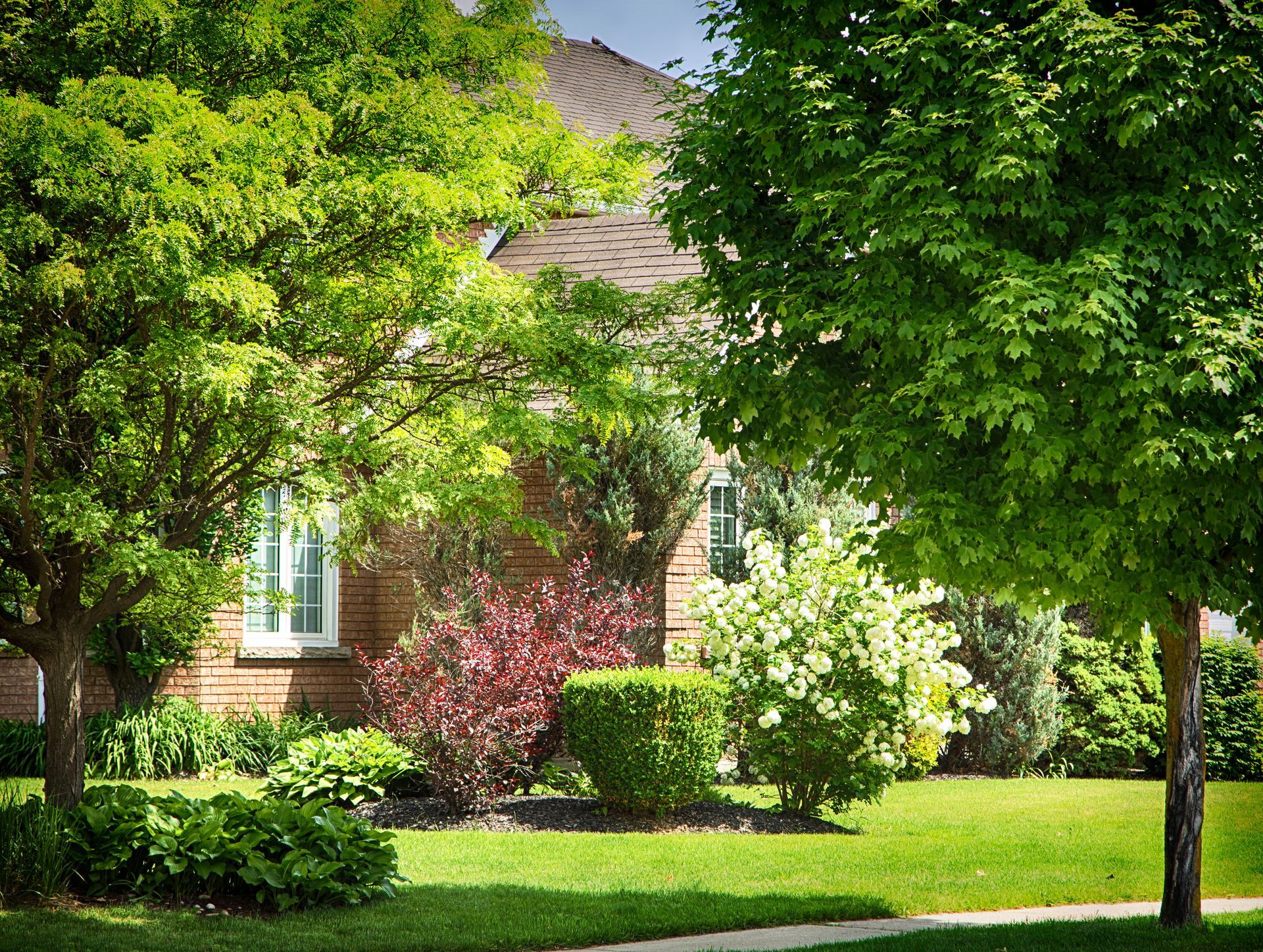
A manicured landscape provides immediate visual appeal that enhances neighborhood aesthetics and boosts market value. Mature, robust shade trees frame homes gracefully, offering an established atmosphere that potential buyers appreciate. Conversely, untended canopies with drooping branches and rotting trunks create an impression of neglect that diminishes curb appeal. Investing in routine tree services protects landscape investments, ensuring that majestic specimens remain vibrant focal points rather than unmanageable liabilities that overshadow neighboring properties.
Beyond aesthetic contributions, disciplined tree care preserves public safety and supports environmental balance. Proactive hazard mitigation removes hazardous limbs before gusty winds send heavy wood crashing through roofs, fences, or vehicles. At the same time, healthy trees deliver indispensable ecological contributions to the surrounding community. According to findings compiled by World Metrics, each healthy mature tree takes in 48 pounds of carbon dioxide annually, highlighting the broader ecological value of preserving established property canopies. Safeguarding tree health through regular professional oversight keeps these natural air filtration systems functioning at peak efficiency.
Manage Seasons and Storms
Seasonal shifts create distinct demands on tree physiology, making calendar-based maintenance planning essential. Late winter serves as an optimal period for major structural pruning, because dormant trees experience minimal sap loss and bare branches expose internal structural defects clearly. Spring brings a surge of new growth along with emerging pest populations that require targeted management before leaf tissue suffers extensive damage. Summer maintenance focuses on clearing heat-stressed limbs and evaluating canopy weight, while autumn preparation fortifies trees against cold weather and ground freezing.
Severe weather events present another critical reason to establish consistent maintenance intervals. Pre-storm inspections identify hollow trunks, decayed limb attachments, and imbalanced crowns that could fail during hurricane winds or torrential downpours. Corrective trimming reduces wind resistance within the upper canopy, allowing turbulent air to pass through without snapping major limbs. In the aftermath of severe storms, emergency response teams remove tangled debris, relieve tension on bent trunks, and clear obstructed driveways. Enlisting dependable tree services before and after major storms protects homes from devastating structural impacts.
Verify Qualifications and Standards
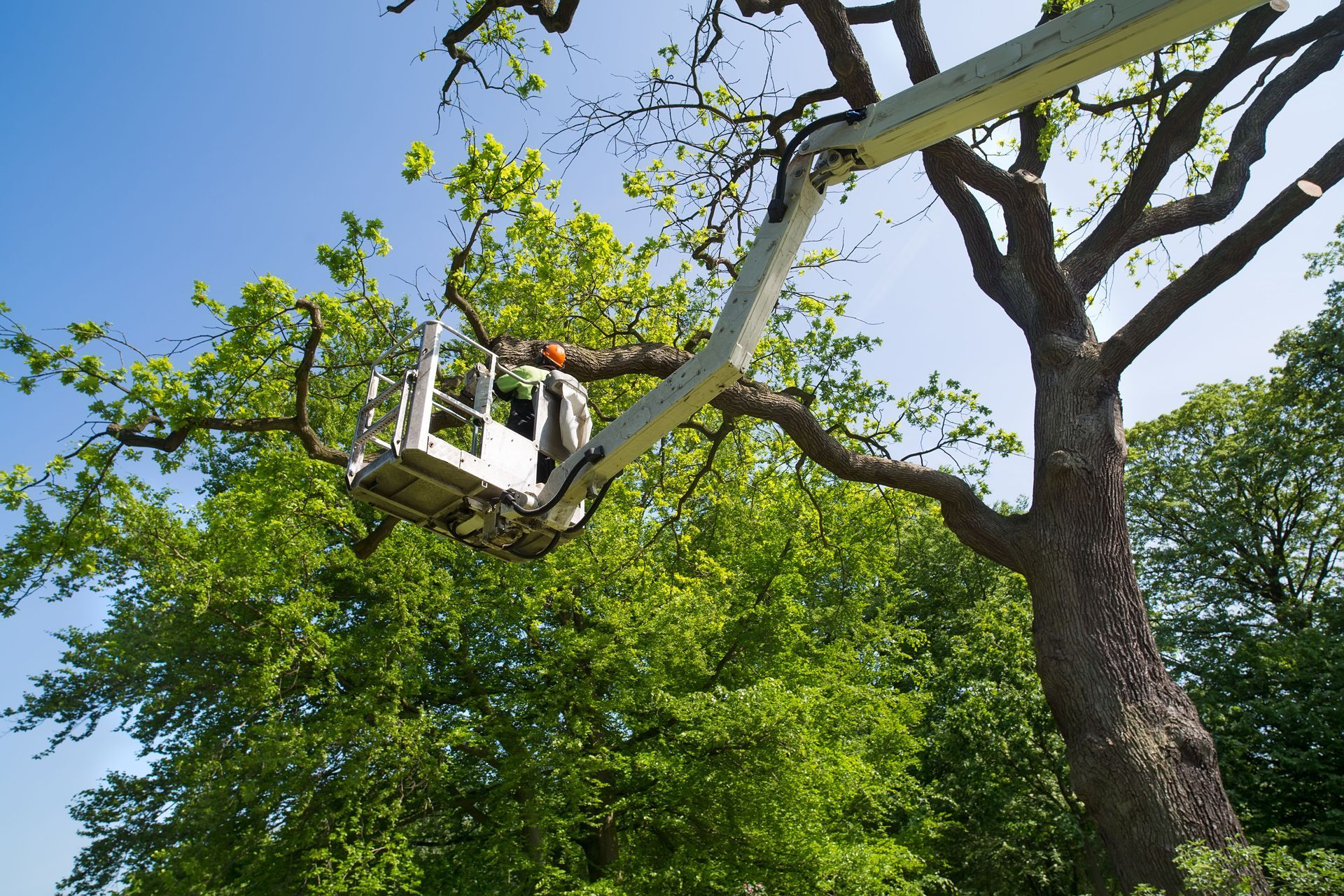
Selecting a reputable provider requires evaluating credentials, safety protocols, and field expertise. Tree work involves specialized cutting tools, heavy machinery, and hazardous aerial maneuvers near high-voltage utility lines. Legitimate contractors maintain comprehensive general liability coverage alongside workers compensation policies to protect property owners from workplace liabilities. Evaluating proof of insurance provides peace of mind that unexpected mishaps will not result in financial exposure for the property owner. Conscientious contractors also mandate rigorous safety training and personal protective gear across their entire ground and aerial crews.
Industry certifications offer clear verification of a company's technical knowledge and commitment to arboricultural standards. Certified arborists understand tree biology, decay mechanisms, and proper cut placement, ensuring that trimming practices never cause permanent harm. Unqualified operators frequently rely on harmful practices like tree topping, which strips canopies, invites decay, and causes rapid growth of weakly attached shoots. Partnering with certified specialists ensures that all tree services follow established industry safety guidelines, preserving tree health while safeguarding surrounding buildings and landscape features.
Build Schedules and Routines
Developing a customized maintenance plan begins with a baseline evaluation of every tree across the property. Arborists document species composition, developmental age, structural condition, and proximity to buildings, overhead wires, and underground utilities. This initial assessment establishes clear priorities, distinguishing between immediate hazards that require prompt pruning and healthy specimens that simply require seasonal monitoring. Creating this structured inventory allows property owners to plan care intervals methodically, shifting landscape management from reactive crisis response to calm, predictable oversight.
Sustaining this proactive strategy requires periodic consultations with certified arborists who can adapt care routines to changing landscape conditions. Young plantings may require recurring structural shaping during early development, while mature shade trees often thrive with detailed assessments on a multi-year cycle. As trees grow and local climate conditions fluctuate, ongoing professional evaluations keep care schedules aligned with biological needs. Establishing a regular schedule for tree services ensures that your trees remain safe, vibrant, and resilient across decades of environmental change.
Maintaining a beautiful and safe property requires consistent attention to the living canopy overhead. Regular inspections, expert pruning, and timely risk evaluations safeguard your home while maximizing the ecological and aesthetic rewards that mature trees provide. By prioritizing scheduled care tailored to tree species, age, and seasonal conditions, property owners avoid hazardous storm emergencies and enjoy thriving landscapes throughout the year.
Our experienced team stands ready to assist you in developing a customized maintenance strategy for your property. Contact us at Tree Tech of Louisiana today to inspect your canopy and preserve the safety and natural beauty of your landscape.