October 12, 2026
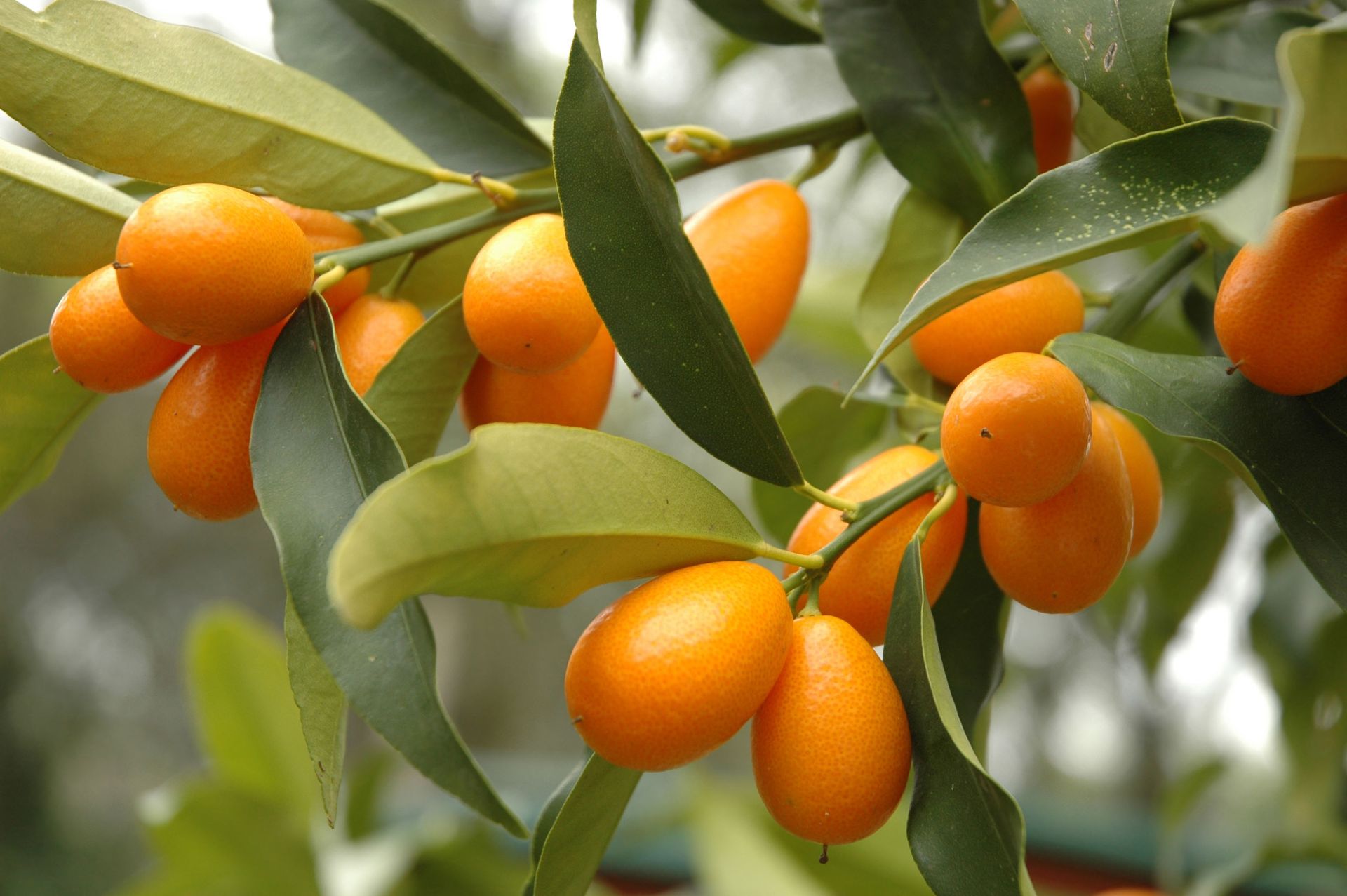
Fruit trees make a wonderful addition to any landscape, providing fresh produce, seasonal beauty, and pleasant shade. However, maintaining a healthy fruit harvest requires regular attention to canopy health and overall branch structure. Without proper care, fruit trees often become dense, overcrowded, and susceptible to various fungal infections, including fruit mold and rot. Fungal pathogens thrive in damp, stagnant environments where sunlight cannot reach and air cannot move freely. When branches grow too close together or crisscross, moisture becomes trapped around developing fruit, creating ideal conditions for decay. Routine maintenance from a qualified tree service helps establish an open canopy structure, allowing light and air to circulate throughout the tree. By removing dead, diseased, or unnecessary branches, you eliminate potential breeding grounds for fungi and protect your harvest before rot takes hold.
Understanding the Causes of Fruit Mold and Rot
Fruit mold and rot are primarily caused by fungal pathogens such as Monilinia species, Botrytis cinerea, and various rot-inducing fungi. These organisms produce spores that travel through the air, water droplets, and direct contact between touching fruits. When spores land on fruit surfaces that remain damp for extended periods, they germinate and penetrate the skin, causing decay, discoloration, and eventual destruction of the crop. A dense canopy with crowded foliage traps humidity, slows down the evaporation of morning dew, and prevents rain from drying quickly. Utilizing a professional tree service ensures that the canopy is managed properly, reducing the localized humidity that fungal spores need to infect growing fruit.
Improving Air Circulation Throughout the Canopy
Air movement is one of the most effective natural defenses against fungal infections in fruit trees. When breezes pass through an open canopy, moisture on leaves and fruit evaporates rapidly, leaving little time for fungal spores to settle and sprout. Dense branches block wind movement, creating pockets of warm, stagnant air where mold multiplies unchecked. Scheduling regular pruning with a reputable tree service removes interior clutter and thins out heavy growth. Proper thinning allows air to flow freely across every branch, keeping the microclimate dry and drastically lowering the risk of brown rot, gray mold, and other fungal diseases.
Maximizing Sunlight Exposure for Healthy Fruit Development
Sunlight plays a vital role in keeping fruit trees healthy and disease-free. Direct ultraviolet light acts as a natural sanitizer, suppressing fungal growth and drying out excess surface moisture. In addition, fruits exposed to adequate sunlight mature more evenly, develop thicker skins, and produce higher levels of natural sugars that resist infection. A shaded, overgrown canopy leaves lower and inner branches in constant darkness, making those areas especially vulnerable to rot. By partnering with an experienced tree service, you can ensure that strategic cuts are made to open up the canopy top, allowing sunlight to penetrate deep into the lower branches and reach all developing fruit.
Preventing Fruit Crowding and Rubbing
When fruit trees produce an abundance of fruit on unpruned branches, heavy clusters often grow tightly together. As individual fruits expand, they press against one another, creating tight seams where water collects and stays trapped. Furthermore, fruit rubbing against neighboring limbs or other fruit can develop small scratches and abrasions. These tiny skin breaks serve as open entry points for rot fungi. According to Bob Vila, mature trees need trimming every three to five years, and younger trees need trimming every two to three years. Hiring a skilled tree service to manage branch density and thin overloaded fruiting spurs keeps fruit properly spaced, reducing physical damage and moisture buildup.
Removing Dead, Diseased, and Damaged Wood
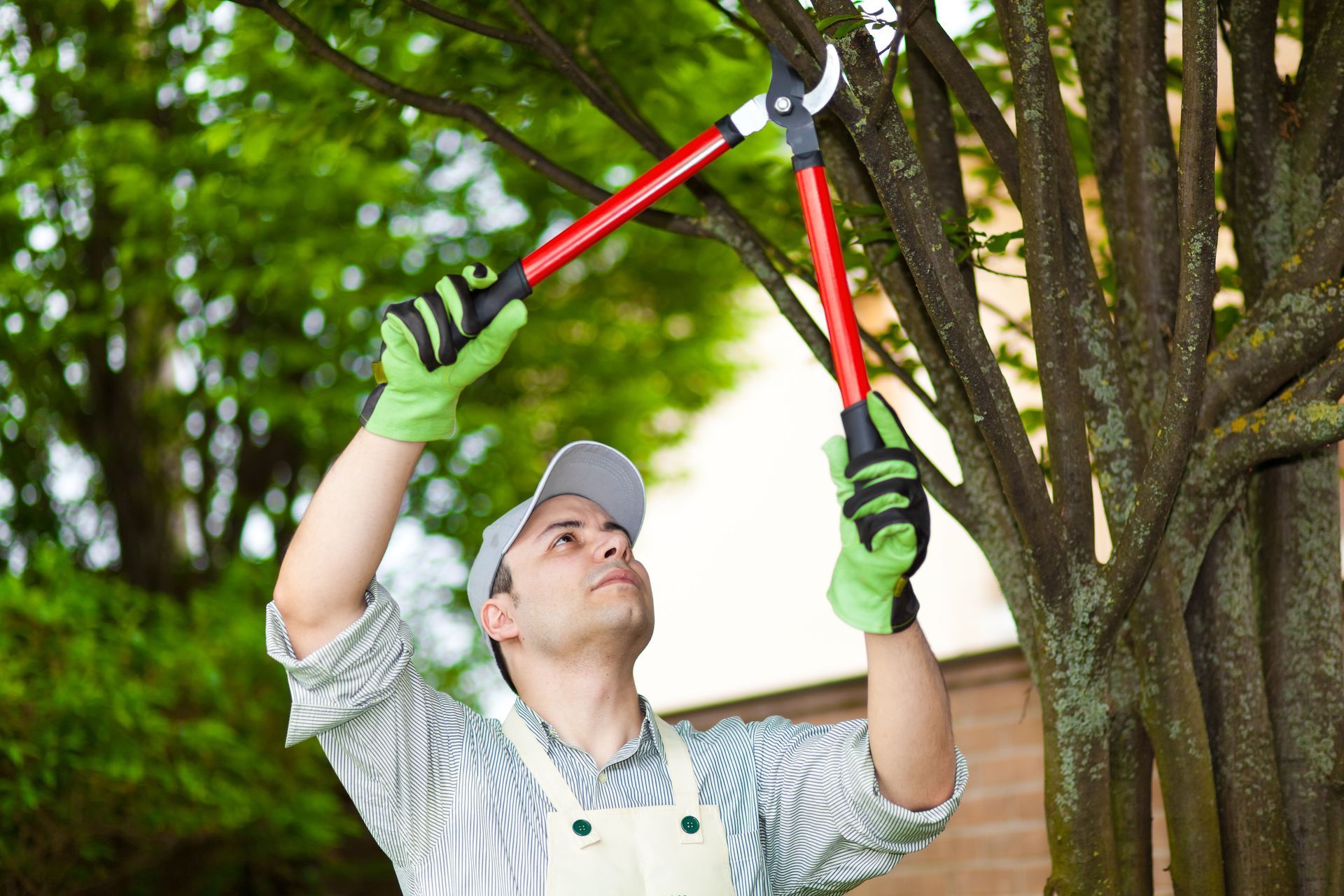
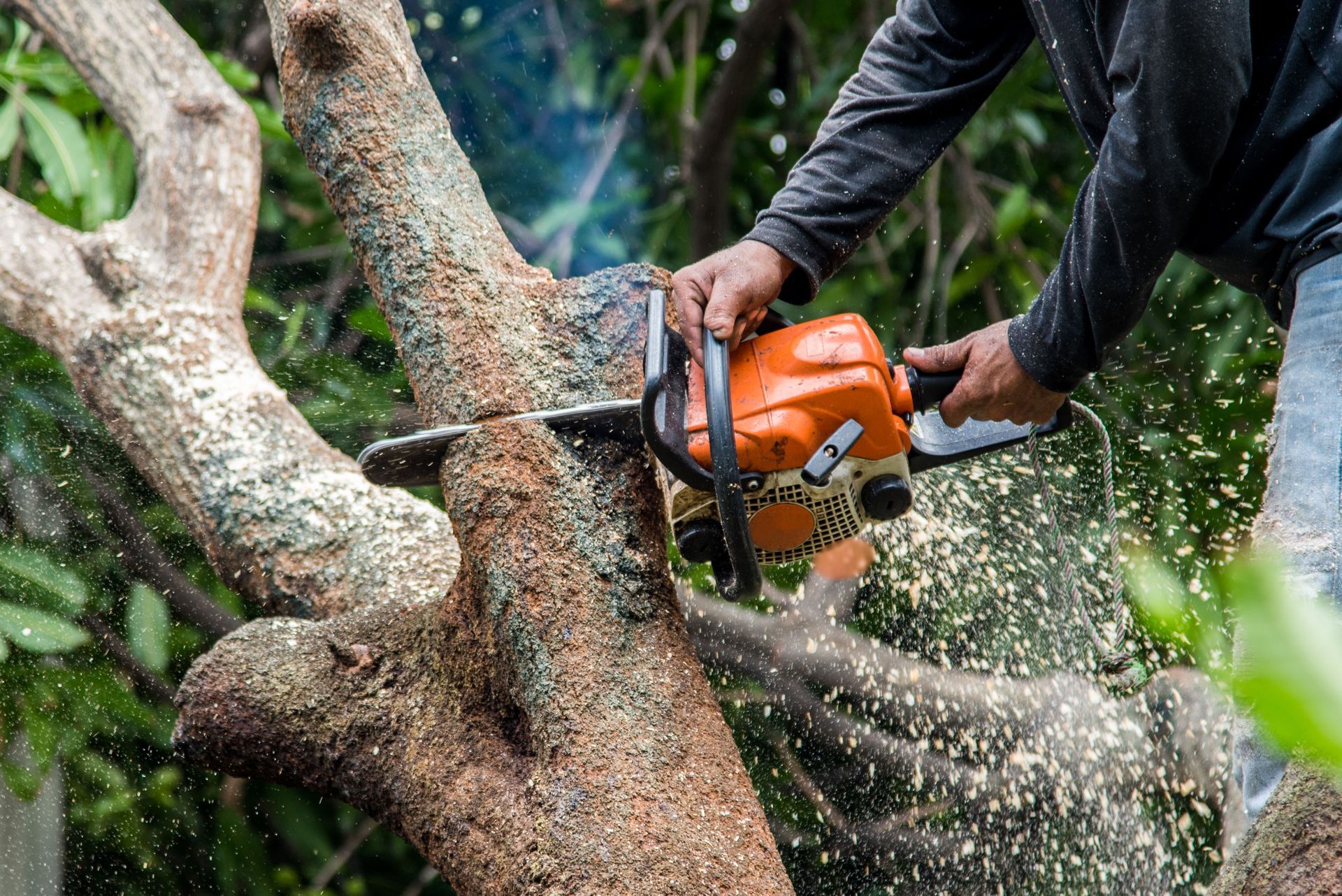
Dead and decaying branches act as reservoirs for plant diseases, harboring fungal spores throughout the winter months. When spring arrives and warm, moist weather returns, these spores wake up and spread to new leaves, flowers, and young fruit. Leaving infected or dead wood on a tree creates a continuous cycle of contamination that worsens with each passing season. Engaging a licensed tree service to perform detailed sanitation pruning removes dead twigs, cankers, and old diseased growth. Eliminating these spore sources breaks the disease cycle and protects the upcoming harvest from early contamination.
Managing Tree Canopy Height and Structural Balance
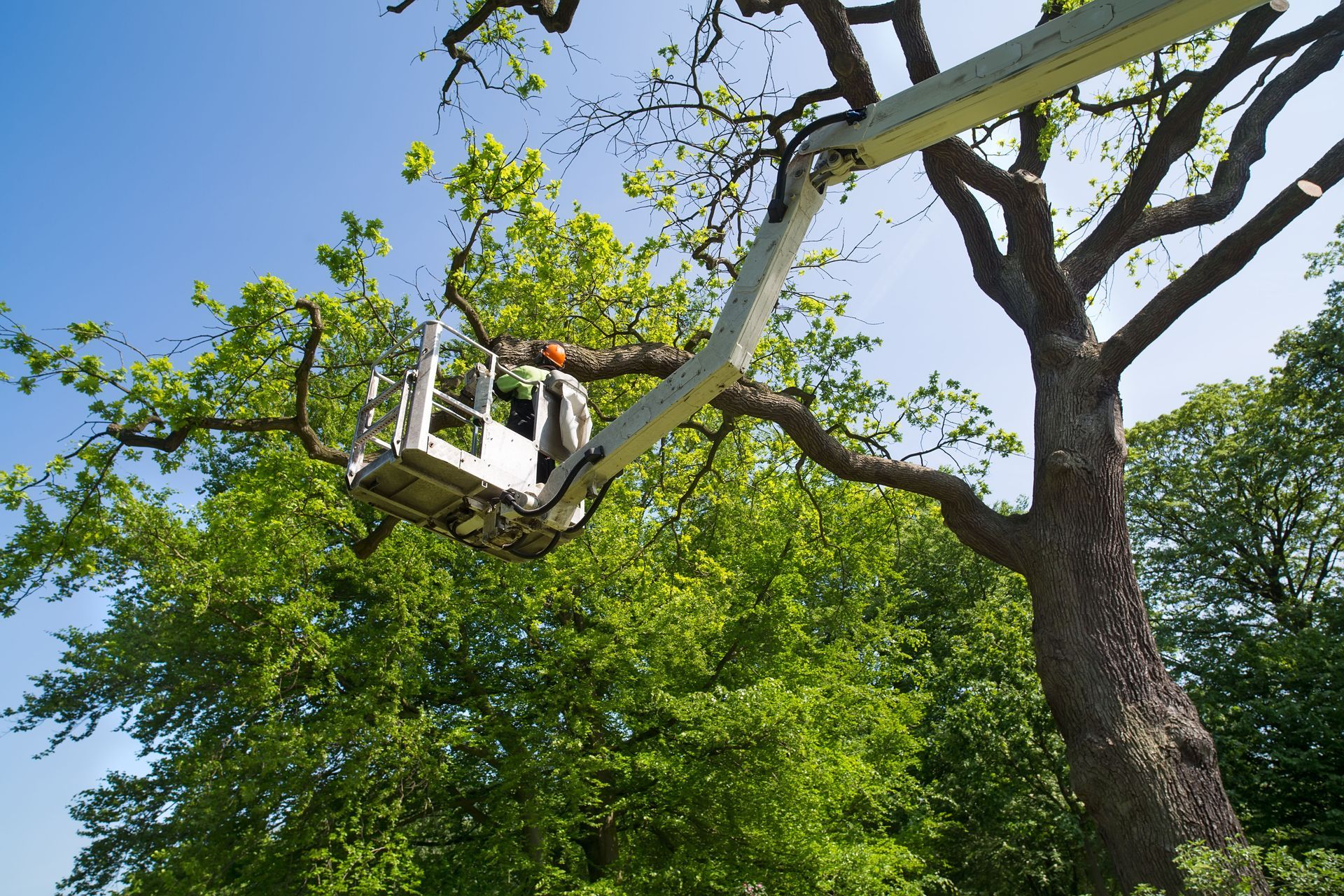
An overly tall or unbalanced canopy presents significant challenges for fruit health and general tree maintenance. Excessive height makes thorough inspection difficult, allowing early signs of mold or fungal spots to go unnoticed until an entire crop is affected. Heavy, unmaintained branches can also bend under the weight of fruit, cracking at the base and opening large wounds that invite wood-decaying fungi. A certified tree service shapes the canopy to maintain a manageable height and balanced branch distribution. Proper structural pruning reduces limb stress, prevents bark tearing, and ensures every part of the tree remains easy to monitor and care for.
Enhancing the Effectiveness of Pest Control Measures
Insects and fruit mold often work together to destroy a harvest. Pests such as fruit flies, moths, and beetles pierce fruit skins to feed or lay eggs, leaving open wounds that fungal spores easily exploit. When a tree is overgrown, organic treatments or protective sprays cannot penetrate the dense outer foliage to reach inner branches where pests hide. Utilizing a dedicated tree service to open up the tree structure makes organic spray treatments significantly more effective. Complete spray coverage deters fruit-damaging insects, indirectly preventing the secondary fungal infections that follow pest damage.
Controlling Moisture Traps in Branch Unions
The structural geometry of a fruit tree heavily influences how long water remains on its bark and leaves. Narrow branch angles and tight crotches often catch falling leaves, dust, and rainwater, creating perpetually moist pockets along the main trunk and primary scaffolds. These damp areas easily become infected with wood rot, which can spread outward to fruiting limbs and weaken the entire structure. An expert tree service identifies weak branch unions early on and selectively prunes them to favor wider, stronger angles. Improving structural angles prevents water accumulation and minimizes the risk of rot spreading through the framework of the tree.
Promoting Stronger Spur Growth and Seasonal Renewal
Fruit trees produce their best crops on young, vigorous fruiting spurs that receive plenty of resources from the root system. Aging, neglected branches become weak and produce smaller fruit that is more susceptible to rot and physiological stress. Regular renewal pruning encourages the tree to produce fresh, energetic wood while removing old, unproductive growth that drains energy away from the crop. Enlisting a qualified tree service ensures that pruning cuts are made at the correct nodes to stimulate healthy new fruiting spurs. Fresh growth supports robust fruit development and naturally better disease resistance.
Timing Trimming Operations for Optimal Tree Healing
The timing of pruning cuts is just as important as the technique used. Pruning at the wrong time of year can leave open wounds exposed during peak fungal spore release, increasing disease transmission rather than preventing it. Late winter or early spring, while the tree is dormant, is typically the ideal window for structural corrections because fungal activity is low and the tree can heal rapidly as the growing season begins. Working with a professional tree service guarantees that pruning is scheduled during optimal biological windows, ensuring clean cuts that callus over quickly without exposing delicate tissue to mold spores.
Maintaining fruit trees requires consistent care, sound knowledge of plant biology, and proper techniques to keep fungal diseases at bay. Unmanaged mold and rot can ruin a season's harvest and permanently damage the long-term health of your trees. Professional care ensures your property remains safe, beautiful, and productive year after year. For expert canopy management, structural care, and health evaluations tailored to your landscape, turn to Tree Tech of Louisiana to keep your fruit trees thriving and free from decay. Reach out today!