July 25, 2026
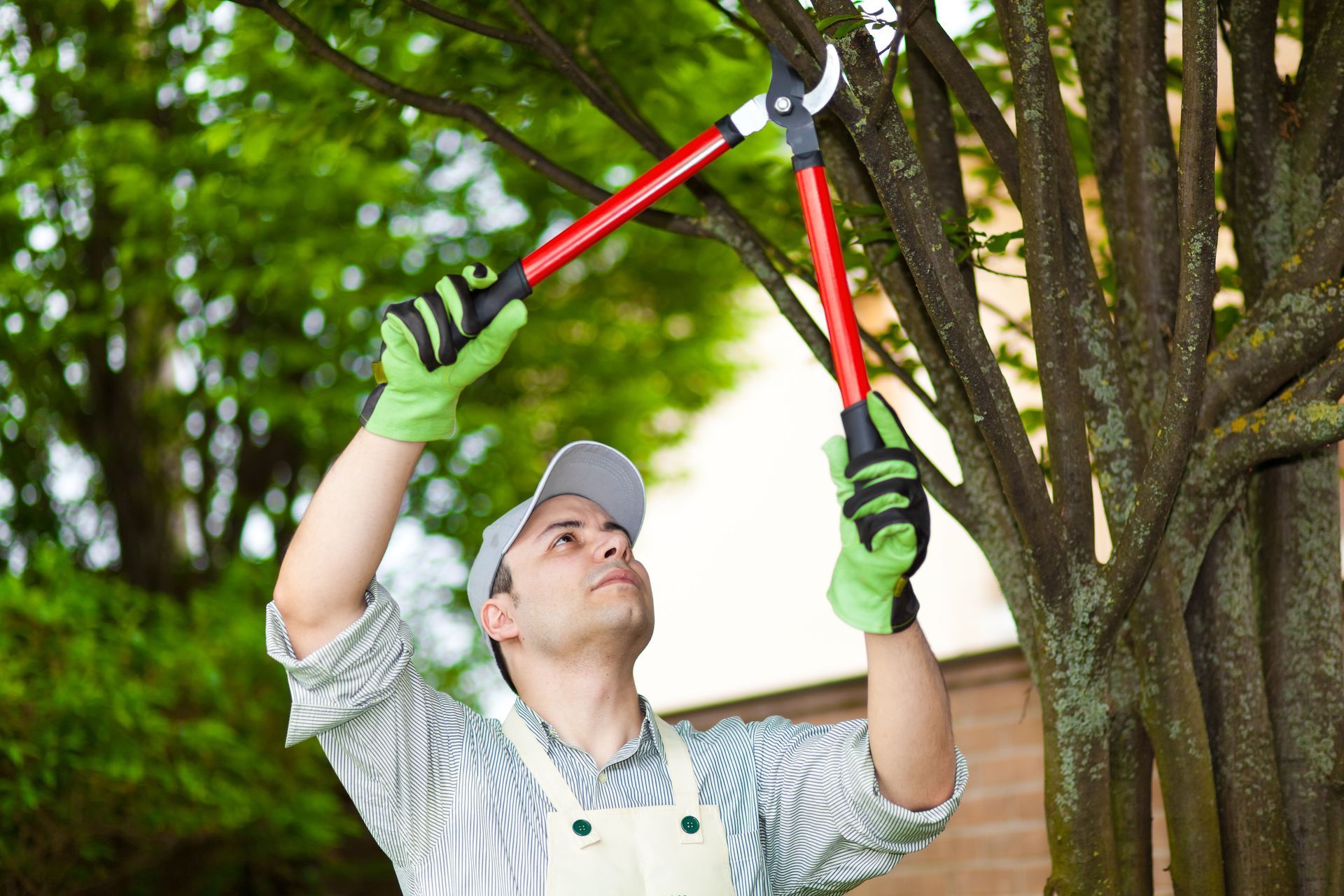
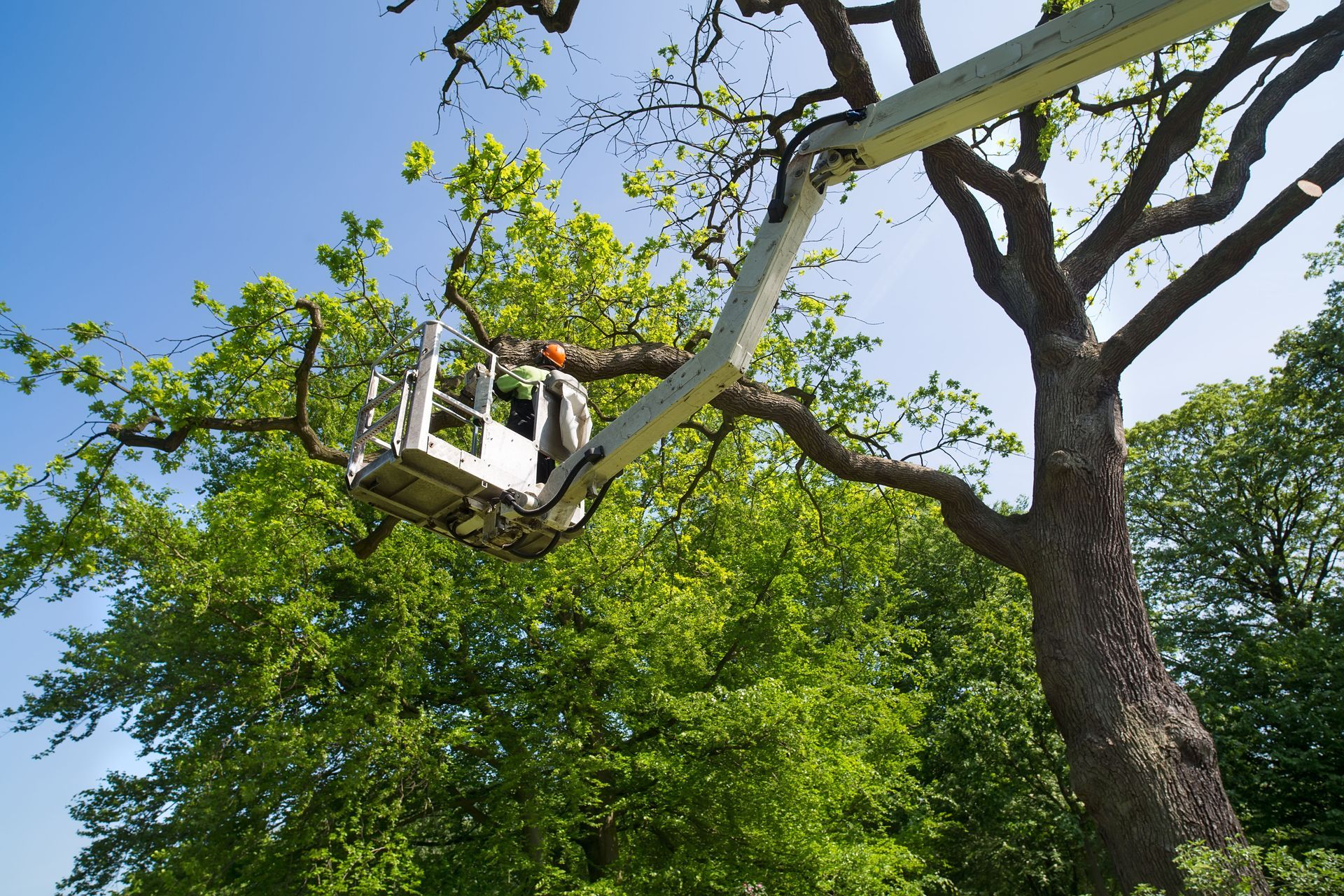
Tree trimming can often be overlooked by homeowners. However, proper maintenance is crucial for both the health of the trees and safety of the property. This article will explore the common indicators that signal it's time for a trim. By understanding these signs, property owners can take preventive actions to avoid potential damage and enhance the aesthetic value of their landscape. Regular assessment and timely trimming from local tree services can result in healthier trees and a safer, more beautiful property.
Overgrown Branches
Impact on Structural Integrity
Overgrown branches can significantly compromise the structural integrity of trees. When branches grow too long or thick, they increase the tree's wind resistance, making it more susceptible to breakage during storms. High winds apply force to the expansive canopies, which can act like sails, stressing the tree's root system and trunk. In severe cases, this can lead to uprooting or splitting, causing irreversible damage. Thus, regular trimming performed by local tree services keeps growth manageable and helps trees remain structurally sound during adverse weather conditions.
Obstruction of Views
Excess growth often leads to the obstruction of scenic views. Lush neighborhoods or properties with natural landscapes can have their appeal diminished by untamed tree limbs. Overgrown trees can block sightlines to mountains, rivers, or the horizon that could otherwise raise property value and enhance enjoyment. Strategic trimming not only restores these views but also adds to curb appeal, potentially making properties more attractive in the market. Regular maintenance affirms the investment of a property's landscaping with uninterrupted, picturesque vistas.
Encroaching on Buildings
Branches extending too close to buildings pose notable risks. During extreme weather events, such branches can break off and cause damage to roofs, windows, or sidings. Over time, rubbing limbs can damage exterior surfaces and compromise structural stability. Hiring local tree services to maintain adequate clearance between branches and structures safeguards the home and reduces maintenance costs. Moreover, industries specializing in tree maintenance, like the 148,837 tree trimming businesses in the U.S. according to IBISWorld, can provide tailored solutions to prevent such risks.
Lawn and Garden Effects
Excessive tree growth impacts underlying lawns and gardens by creating substantial shade. This shading can limit the sunlight reaching grass and flowers, decreasing their vitality and growth rate. Flowers may bloom less, and grasses can become sparse in heavily shaded areas. Regular trimming can regulate shade, allowing a balanced environment that supports diverse planting. Through proactive management, gardeners can foster vibrant, healthy landscapes, effectively complementing the property's trees.
Difficulty in Maintenance
When trees become unwieldy, everyday yard maintenance can become a challenge. Overhanging branches make mowing difficult, forcing homeowners to navigate around the troublesome growth. Regular trimming from local tree services mitigates these obstacles, making mowing and other garden upkeep smoother and more efficient. Furthermore, minimizing excess foliage reduces the accumulation of leaves and debris on the lawn, simplifying cleanup efforts. Integrating tree trimming into routine property care ensures that exterior spaces remain accessible and easy to manage.
Dead or Diseased Limbs
Health Risks to Trees
Dead and diseased limbs present significant health risks to entire trees. If left unchecked, decay or disease can spread from affected limbs to the healthy parts of the tree, accelerating decline. Fungus, rust, and other pathogens exploit these weakened areas, amplifying damage. As diseases progress, they can eventually overwhelm the tree's natural defenses, resulting in mortality. Proactive trimming by local tree services can halt the spread of disease and preserve a tree's health and longevity.
Safety Hazards
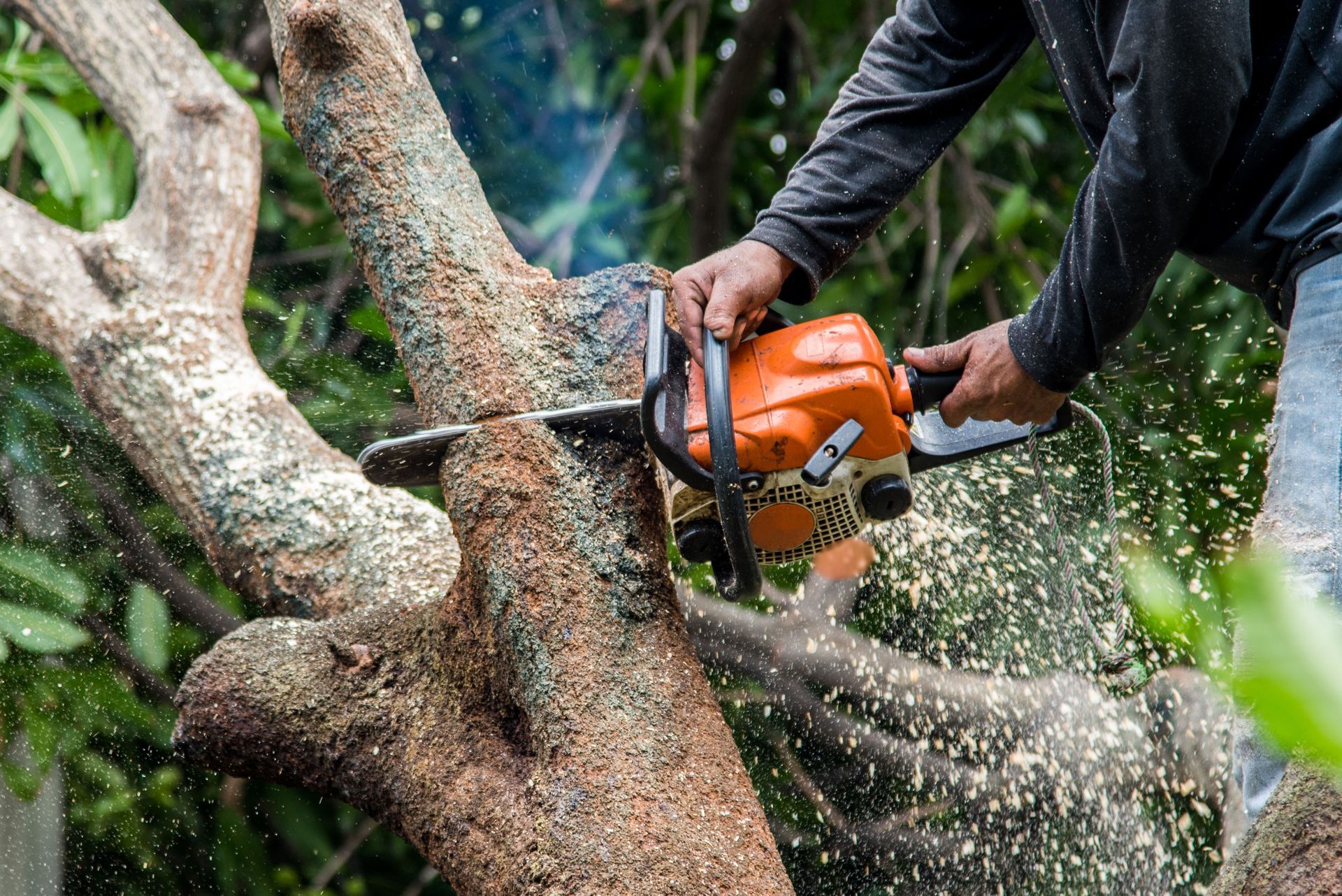
Dead branches are notorious for unexpectedly falling, thereby posing safety hazards. They represent a liability risk, as they can cause injury to individuals or pets when they fall. Property damage is also a concern, as falling limbs can damage vehicles, roofs, and garden structures. Regular assessments and pruning of deadwood can nullify these threats, preserving both physical safety and peace of mind. With countless cases highlighting the perils posed by deadwood, timely trimming emerged as a vital preventive measure.
Signs of Disease or Infestation
Limbs showing unusual discoloration or pest activity often indicate broader tree health issues. Common signs include mottled leaves, peeling bark, and insect presence such as bore holes or nests. When discovered early, these indicators can be swiftly addressed to minimize damage. Prompt trimming from local tree services can limit infestation and disease spread, allowing trees to recover. By staying vigilant and engaging professional tree services, homeowners can ensure that their trees receive timely intervention, reinforcing their health.
Impact on Other Vegetation
Diseased tree limbs can introduce harmful pathogens to surrounding flora. The proximity of infected branches to other plants creates pathways for diseases to spread, potentially reducing biodiversity. Contamination can lead to widespread plant decline, altering garden ecosystems and affecting aesthetics. Routine trimming and removal of diseased growth can curb pathogen transmission and protect landscape health. By fostering a careful balance with regular maintenance, yards can continue to thrive with diverse and resilient plant life.
Visual Clues
Visual signs such as mushroom growth or decaying bark can flag internal rot, which compromises a tree's health. These symptoms indicate that a limb is no longer viable and might be harboring fungal infections. Prompt removal of these limbs is crucial in maintaining the overall tree health. By conducting regular visual checks and contracting professional help when needed, homeowners can catch and correct issues before they escalate. Addressing these visual clues promptly prevents broader health concerns and prolongs the life of the tree in question.
Tree Leaning or Unbalanced Growth
Potential for Toppling
A significant lean in a tree's growth can be a precursor to toppling, especially during winds or storms. This imbalance often indicates root or soil issues that require attention. Left unchecked, it poses risks to property, safety, and infrastructure, as trees can fall unpredictably. Strategic trimming by local tree services can redistribute weight, alleviate lean-related stress, and reduce the risk of a fall. Working alongside arborists and using structured plans, landowners can secure their properties against such potential threats.
Disrupting Yard Harmony
Unbalanced tree growth can disrupt the aesthetic harmony of a yard. An unevenly growing tree may overshadow one side of a garden, affecting plant growth and aesthetics. The asymmetry can cause visual clutter, detracting from meticulously curated landscapes. Through targeted trimming, shapes and symmetry can be managed to complement and enhance property layout. Ideal interventions integrate trees harmoniously into an area’s design, balancing beauty with botanical authenticity.
Weakened Anchor Roots
An unbalanced tree often has weakened or shallow root systems. These root systems might not provide sufficient anchorage, especially in adverse soils or locations. This weakness can make trees susceptible to uprooting, particularly in adverse weather. Corrective trimming alongside professional assessment can re-establish equilibrium, reinforcing structural integrity. Regular roots inspections and preventive trimming ensure trees remain resilient, securely rooted, and long-standing.
Identification of Growth Imbalance
Spotting uneven weight distribution between limbs is crucial in managing tree health. Heavy growth on one side can cause trees to lean or develop internal stress fractures. Corrective trimming can be implemented to balance out these differences, reducing potential hazards. Maintaining a mindful eye and corrective intervention keeps trees poised and stable. Professionals equipped with modern techniques can guide that balance, sustaining trees in their optimal form.
Impact on Other Structural Roots
Unbalanced trees impact underground aspects such as utilities or drainage systems. Tilted trees can cause roots to grow into pipes or foundations, leading to costly repairs. Prompt trimming and monitoring prevent these disruptions by managing growth before it becomes intrusive. Preemptively addressing tree growth protects essential services and reduces maintenance burdens on property management. Comprehensive approaches to trimming balance outer beauty with subterranean practicality.
Routine care from
local tree services provides significant benefits that extend the lifespan and health of trees while improving safety and preserving property aesthetics. By recognizing the signs discussed in this article, homeowners can make informed decisions regarding the care and maintenance of their landscapes. The integration of these practices fosters safer, more beautiful, and more sustainable environments. Embrace tree trimming as a tool for nurturing holistic, healthy surroundings and take proactive measures to maintain your property's natural vivacity. With careful stewardship, landscapes will prosper, evolving into enduring legacies of beauty and biodiversity. Call Tree Tech of Louisiana today to learn more.