November 12, 2026
Trees provide environmental benefits, cool shade, and natural beauty to residential and commercial properties throughout the year. However, when mature specimens suffer severe physical trauma, fungal infections, or internal decay, they transition rapidly from decorative landscaping assets into immediate liabilities. Many property owners postpone necessary extraction due to budget hesitations or an understandable reluctance to alter their mature yard canopy. Postponing required arboricultural care compromises personal safety, threatens built infrastructure, and triggers cascading expenses that dwarf standard maintenance costs. Prompt identification and decisive action remain essential to protecting your property, neighbors, and investments.
Neglecting deteriorating timber rarely results in a stable outcome; biological decay continuously weakens wood fibers and destabilizes primary root plates over time. According to Today's Homeowner, when more than 50% of a tree is damaged or decayed, it might need to be removed. Allowing compromised specimens to linger exposes your surrounding grounds to severe weather vulnerabilities, destructive pests, and structural failures. Partnering with a reliable local tree company guarantees that hazardous timber is identified before severe storm systems strike. Certified arborists utilize specialized equipment to execute extractions smoothly, preventing catastrophic property damage and preserving the overall safety and value of your landscape.
1. Incurring Severe Structural and Foundation Damage
A declining or dead tree standing near a residence presents a constant threat to roofs, siding, and underlying foundations. Heavy deadwood overhanging rooflines can snap under modest wind gusts, puncturing shingles, destroying gutter troughs, and crushing rafter assemblies. When moisture breaches through storm-damaged roof decking, water infiltrates attic insulation, saturates drywall, and initiates widespread mold growth throughout living spaces. Furthermore, continuous friction from living limbs rubbing against exterior walls strips protective coatings and loosens siding panels. Eliminating compromised specimens preserves the exterior building envelope and prevents compounding structural water damage across the property.
Subsurface damage often progresses invisibly as aggressive root systems exploit localized moisture beneath building footings, driveways, and concrete patios. Desiccated root networks extract groundwater from expansive clay soils, causing differential settlement, cracked foundation walls, and uneven interior floors. Concurrently, invasive root tips penetrate tiny hairline cracks in subterranean plumbing lines, expanding inside waste pipes to cause recurrent sewer backups and expensive pipe collapses. Engaging a qualified local tree company to extract hazardous specimens halts underground disruption before footings shift or subterranean utilities rupture, shielding owners from invasive excavation repairs and extensive property restoration bills.
2. Endangering Personal Safety and Inviting Legal Liabilities
The most urgent risk associated with a dead or rotting tree is the threat of sudden bodily injury to occupants, pedestrians, and visitors. Structural weakness within main trunks or major lateral branches is often concealed beneath bark layers until sudden mechanical failure occurs without audible warning. High-traffic residential zones—such as front walkways, children's play areas, and driveway parking bays—become high-risk zones when unstable limbs loom overhead. A falling branch weighing hundreds of pounds carries crushing force capable of inflicting fatal injuries, making the elimination of dangerous overhead timber an absolute priority for responsible property management.
Property owners bear a distinct legal duty of care to maintain safe grounds free of recognized physical hazards. If an owner ignores conspicuous signs of arboreal decay—such as fungal conks, severe trunk fissures, or heavy crown dieback—courts regularly interpret subsequent damage or injuries as actionable negligence. Insurance providers routinely deny property damage claims when investigator findings confirm that preventable neglect allowed a hazardous tree to collapse onto an adjacent residence. Consulting a professional local tree company provides objective risk assessments, establishing documented due diligence that defends against liability exposure while securing a safe physical environment for your entire community.
3. Harboring Wood-Boring Pests and Destructive Parasites
Dead, dying, or hollowed trees act as natural beacons for destructive insect colonies seeking shelter and decaying cellulose. Wood-boring beetles, carpenter ants, and subterranean termites readily colonize soft, rotting heartwood, establishing massive colonies within decomposing trunk cores. Once these aggressive colonies exhaust the resources inside the dying specimen, worker insects migrate outward in search of adjacent food supplies. Nearby healthy shade trees, ornamental landscape plantings, and the primary wooden framing of your residence quickly become prime targets for secondary infestation, multiplying remediation costs across the parcel.
Beyond destructive insects, decaying tree trunks and expansive hollows provide shelter for nuisance wildlife, including raccoons, bats, venomous snakes, and feral rodents. These animals use overhanging branches as aerial highways to access attic vents, soffits, and chimneys, establishing nests that degrade indoor insulation and introduce airborne pathogens. Inoculating or treating hollow wood rarely succeeds once structural pests become entrenched inside decaying timber. Booking prompt service through a dedicated local tree company removes these breeding grounds entirely, protecting residential buildings from pest incursions and maintaining clean, sanitary living conditions across your property.
4. Spreading Pathogenic Diseases Across Surrounding Foliage
Arboreal diseases caused by airborne spores, virulent fungi, and bacterial blights rarely remain confined to a single infected tree. Pathogens such as oak wilt, Dutch elm disease, and anthracnose reproduce prolifically within deteriorating vascular systems, using interconnected root grafts to invade neighboring root systems below ground. Windblown fungal spores also travel rapidly from diseased canopies onto adjacent ornamental trees, initiating widespread canopy blight across surrounding properties. Neglecting an infected tree allows pathogens to establish a resilient reservoir that continually infects surrounding landscape plantings, steadily devastating your outdoor greenery.
Once systemic vascular diseases penetrate deep within heartwood, therapeutic fungicides and chemical soil drenches lose their remedial effectiveness, making containment extraction the only viable solution. Felling the diseased specimen and grinding the infected stump arrests underground root-graft transmission pathways and purges the spore source from the local ecosystem. Relying on an experienced local tree company guarantees that infected wood is dismantled, hauled away, and sanitized under strict biosecurity protocols, preventing accidental contamination of nearby flora. Swift sanitization safeguards the health and visual beauty of your remaining tree canopy for future decades.
5. Confronting Exorbitant Emergency Removal Expenses
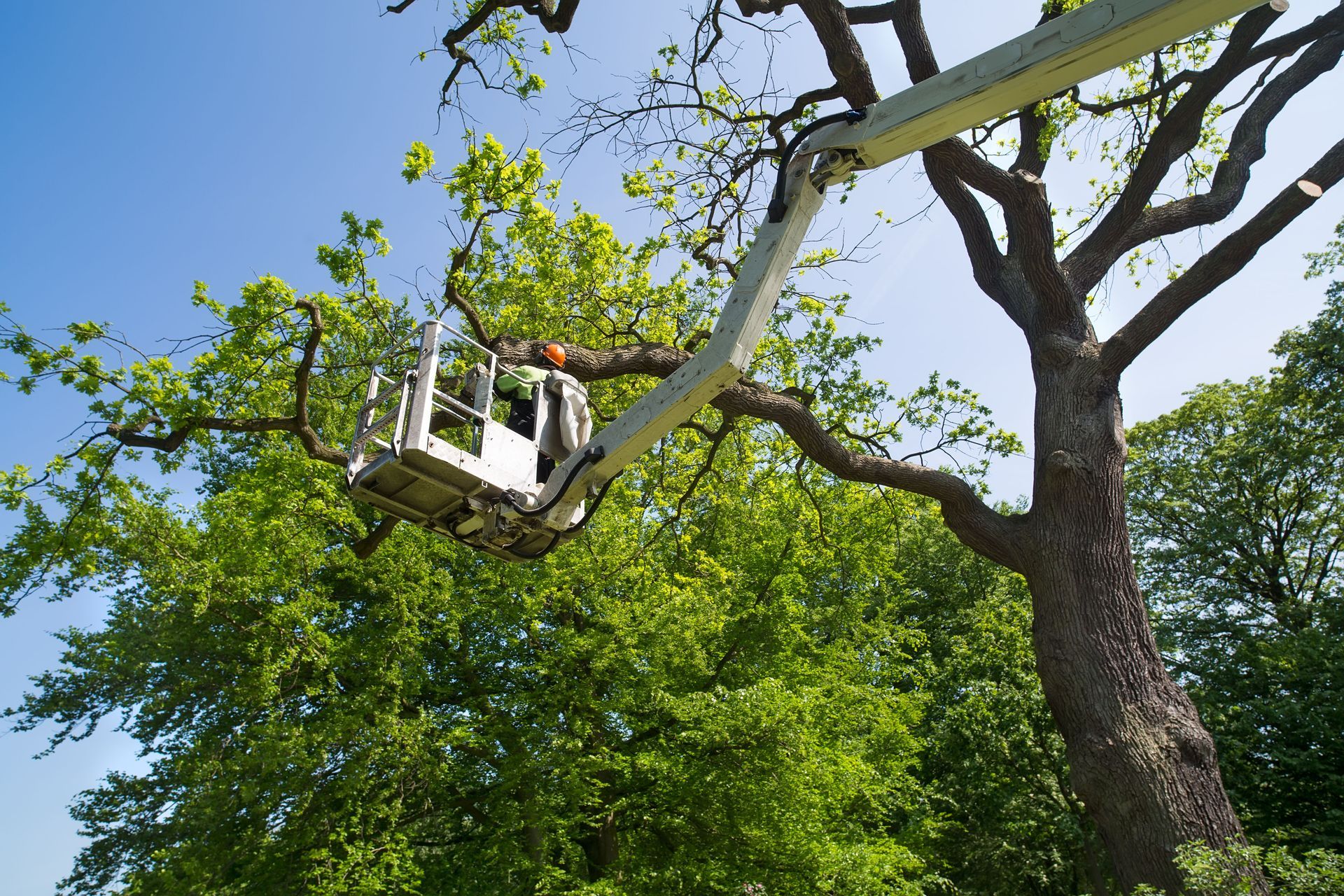
Postponing tree extraction almost always guarantees that the eventual removal work will be significantly more complex and dangerous. A standing dead tree loses structural elasticity as internal moisture evaporates, rendering trunk wood brittle, sponge-like, and unpredictable. Certified arborists cannot safely climb severely rotted trees, requiring specialized heavy equipment—such as commercial cranes, bucket trucks, and aerial lifts—to dismantle brittle limbs piece by piece. These extensive logistical requirements, specialized rigging setups, and labor-intensive handling protocols drive total project costs substantially higher than standard removals performed while wood remains structurally sound.
Waiting until a compromised tree topples during a severe tropical storm or winter gale inflates final costs even higher through emergency service premiums. Emergency crews responding during adverse weather must navigate downed electrical lines, active rainstorms, and dangerous structural entanglements to secure damaged properties. Involving a reputable local tree company for planned daytime service avoids emergency surcharges, limits hazardous overtime operations, and eliminates chaotic property disruptions. Proactive removal allows for orderly yard access, scheduled stump grinding, and prompt debris clearance, delivering substantial cost savings while maintaining predictable household budgets.
6. Partnering with Experienced Removal Specialists
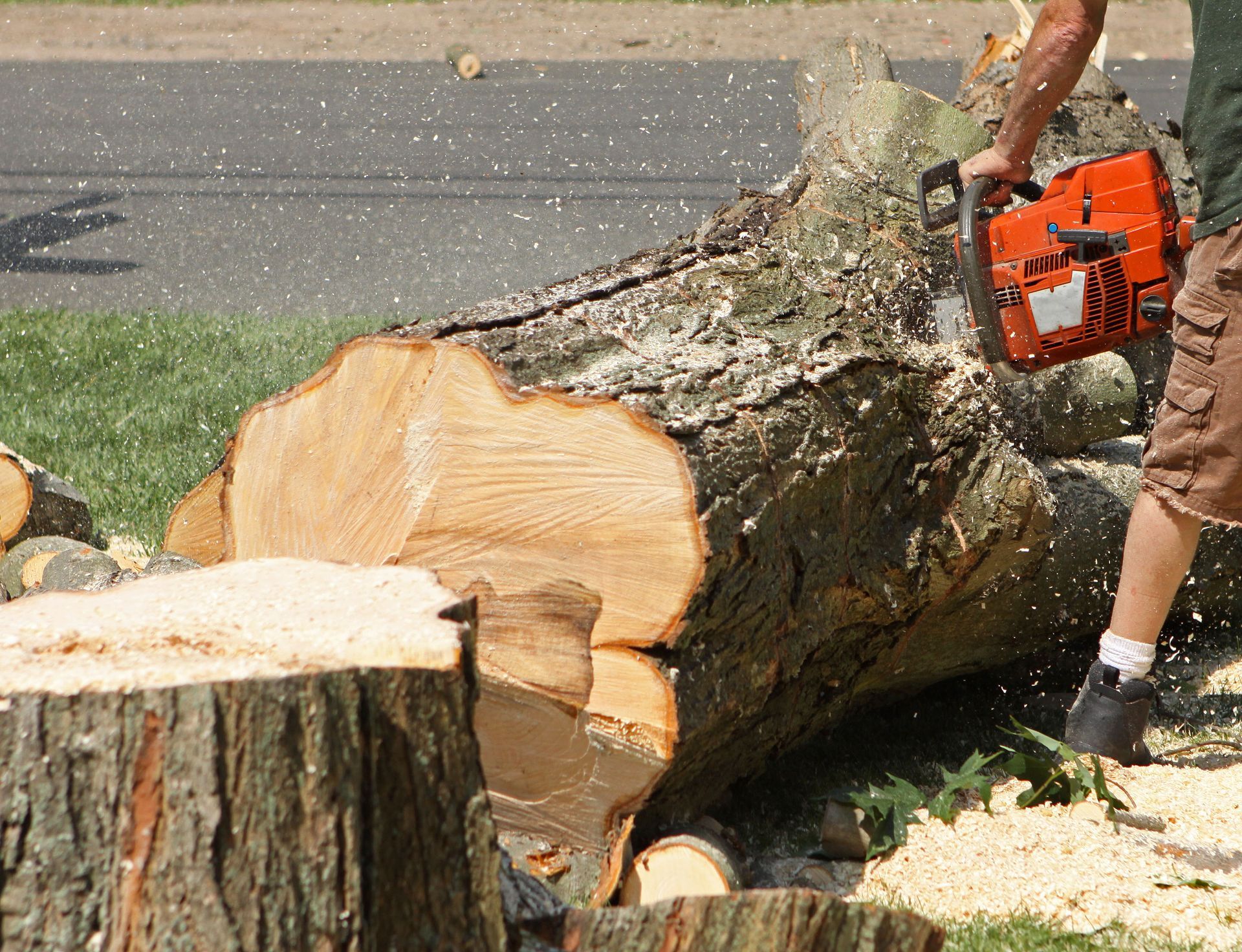
Managing mature trees requires advanced technical proficiency, specialized rigging hardware, and a disciplined approach to job site safety. Attempting to fell large, decaying trees using consumer chainsaws presents severe personal safety hazards, frequently resulting in catastrophic falls, crushed vehicles, or fatal accidents. Insured local tree company crews employ precision rigging strategies, drop-zone physics, and mechanized grapple loaders to dismantle heavy overhead timber without disturbing adjacent lawns, fences, or utility easements. Professional oversight ensures that complex removals proceed smoothly, safely, and entirely in compliance with municipal regulations.
Addressing noticeable warning signs—such as severe trunk hollows, dead branch clusters, and sudden ground-level soil heaving—safeguards your family, protects structural foundations, and preserves neighborhood curb appeal. If you suspect an aging or diseased tree on your residential or commercial grounds has reached the end of its safe lifespan, do not wait for the next violent storm to force the issue. For dependable risk assessments, complete stump grinding, and prompt hazard mitigation, contact Tree Tech of Louisiana today to protect your property and restore long-term safety to your landscape.