June 9, 2026
Every tree on your property is an asset — until it becomes a liability, and knowing the difference between the two before a problem becomes an emergency is one of the most important things a property owner in South Louisiana can do. The humid subtropical climate of St. Tammany Parish accelerates tree growth but also accelerates the disease, decay, and storm stress that eventually compromise the structural integrity of even mature and previously healthy trees. The line between a tree that can be saved with proper care and one that must come down to protect the property and the people living on it is not always obvious from the ground, and professional evaluation consistently reveals conditions that untrained eyes miss entirely. Understanding how certified arborists approach this decision gives property owners the framework to respond quickly and appropriately when a tree on their property begins showing signs that something is wrong.
When Trimming and Pruning Can Restore a Declining Tree
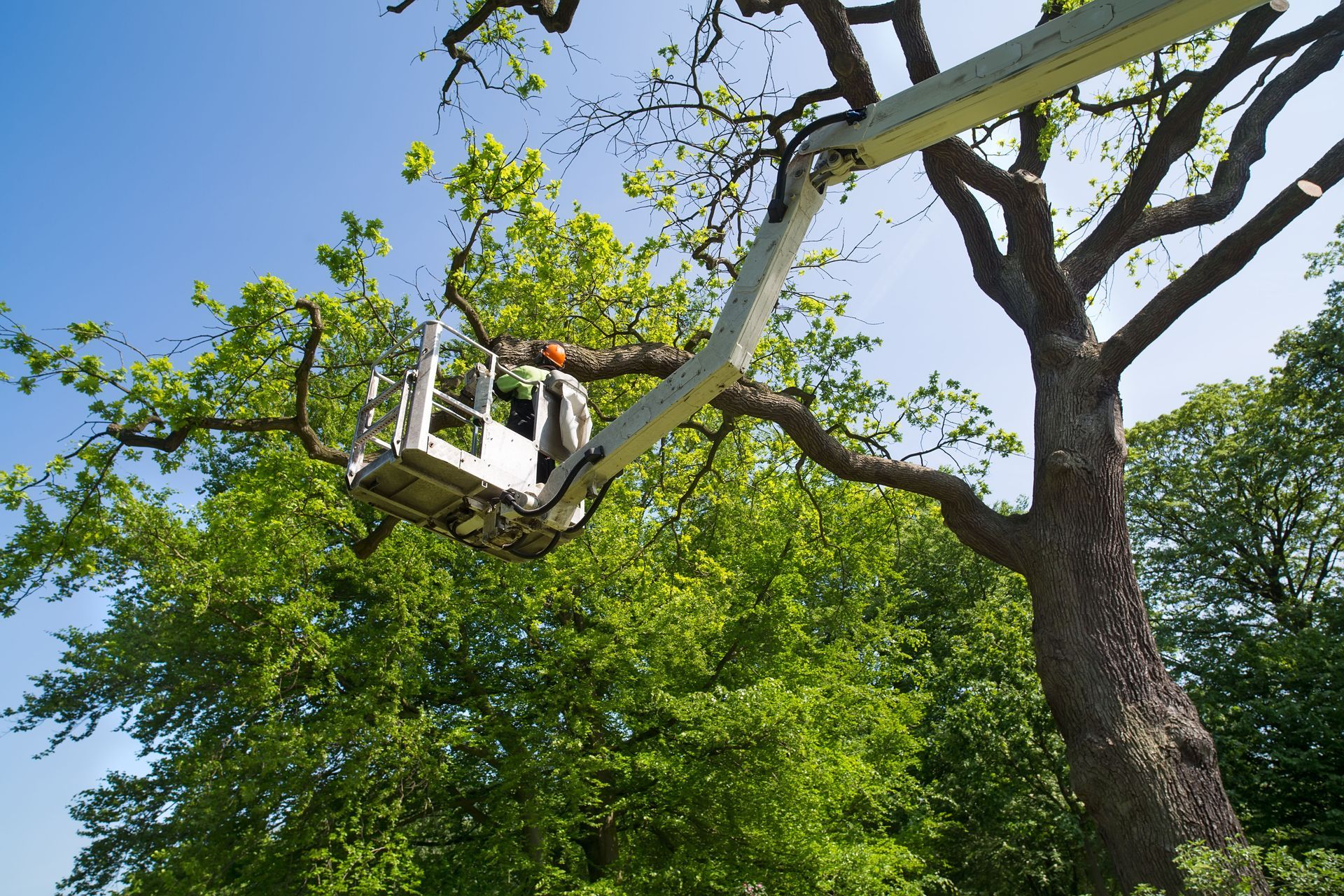
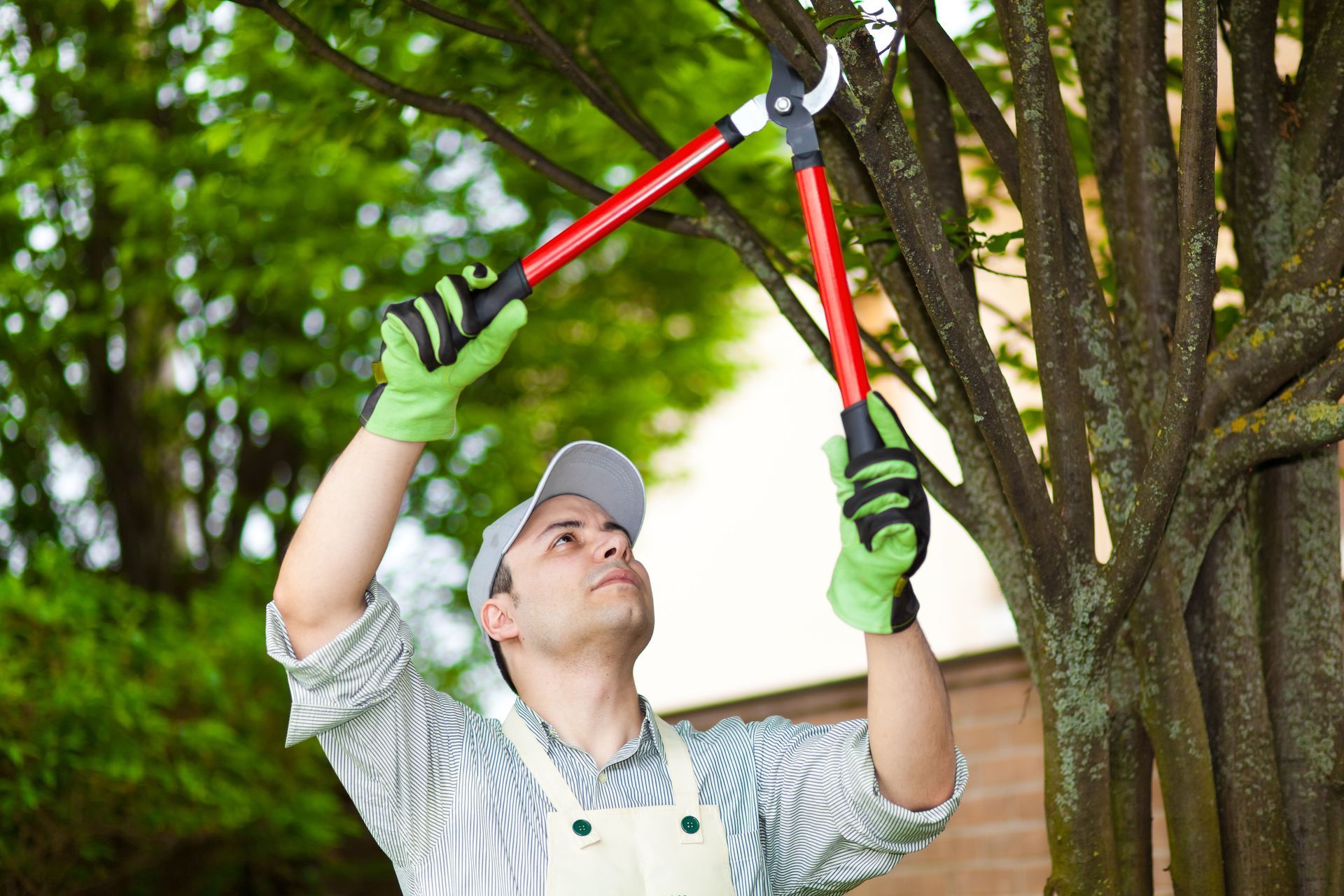
According to Today's Homeowner, a tree with cracks or damage that spans more than 25% of the trunk may need to be removed, which gives property owners a useful structural benchmark for evaluating whether the damage they are observing is within the range that professional care can address or whether it has crossed the threshold where removal becomes the safer and more responsible option. Tree companies that evaluate a declining tree with damage below that threshold often find that professional trimming and pruning are sufficient to restore healthy growth patterns, remove compromised branches, and reduce the load on a trunk that is otherwise structurally sound beneath the affected areas. Species-specific pruning performed by a certified arborist promotes the natural growth habit of each tree type while removing the dead, diseased, or crossing branches that steal energy from the healthy portions of the canopy and increase the risk of branch failure during high-wind events.
Identifying Disease and Decay That Pruning Cannot Resolve
Disease that has penetrated deeply into the vascular tissue of a tree — the internal system that moves water and nutrients from the roots to the canopy — cannot be reversed by trimming the exterior canopy, and tree companies that encounter this type of systemic infection during an assessment are obligated to inform the property owner that the tree's decline is irreversible regardless of how healthy parts of the canopy may still appear from a distance. Visible external symptoms like significant canopy dieback, weeping lesions on the bark, or the presence of fungal conks growing from the root flare or lower trunk are indicators of internal decay that has already progressed well beyond the point where preservation-focused interventions would produce lasting results. A tree with advanced internal decay becomes progressively more dangerous over time as the structural integrity of the wood continues to deteriorate under its own weight, and in South Louisiana's hurricane-prone environment, that timeline accelerates dramatically when a storm season brings the wind loading that tests every compromised tree on the property.
Understanding How Root Damage Affects the Preservation Decision
Root systems that have been compromised by construction activity, compaction, repeated flooding, or fungal infection lose their ability to anchor the tree securely and to deliver the water and nutrient uptake that the canopy requires, and tree companies that evaluate a tree with significant root damage often find that the canopy is showing the consequences of that underground problem in ways that the property owner has not connected to the roots. A tree that has lost a significant portion of its functional root system cannot be stabilized through pruning or canopy management, because the problem is structural at the most fundamental level — the attachment of the tree to the ground — rather than in the limbs and foliage that are the visible focus of most property owners when they first notice something is wrong. Tree preservation services that evaluate root zone health can sometimes recommend soil treatments, reduced compaction work, or irrigation interventions that support the remaining root system, but when the root damage is severe enough to create a genuine fall risk, removal becomes the only responsible recommendation, regardless of how attractive the tree's canopy may still appear.
Evaluating Storm Damage and the Decision to Save or Remove
South Louisiana property owners face the reality that major storm events can transform a healthy tree into a damaged one within hours, and the assessment decisions that follow a storm are among the most consequential that tree companies are asked to make because the combination of structural compromise, saturated soil, and potential additional storm activity creates conditions where the margin for error is genuinely narrow. A tree that has lost a major scaffold branch to storm damage can often be preserved through professional pruning and structural wound management if the remaining crown is intact, the trunk is sound, and the root system has not been disturbed by the soil movement that accompanied the storm event. Trees that have experienced significant crown loss, partial trunk splitting, or soil heave around the root zone following a major storm warrant serious consideration for removal because each of these conditions individually reduces the tree's ability to withstand future storm loading, and their combination creates a risk profile that most certified arborists would not recommend ignoring in a region where the next tropical weather event is never far from the forecast.
Recognizing When Location Makes Removal the Only Safe Option
A tree that might be perfectly safe in the middle of a large open field becomes a meaningful hazard when its fall zone overlaps with a residence, a vehicle, a utility line, or an area where people regularly spend time, and tree companies are frequently called to evaluate trees that are structurally sound by most measures but that cannot be safely retained given where they are positioned relative to the structures and activities they threaten. Target zone evaluation is one of the most important components of a professional tree risk assessment, and it sometimes results in the recommendation to remove a tree that shows no disease or structural deficiency, but that poses an unacceptable risk given the consequences of failure at its current location on the property. Proactive removal of a high-target-zone tree before it fails is almost always significantly less expensive and far less disruptive than emergency removal following an uncontrolled fall that damages the structure beneath it or requires the repair of whatever the tree landed on during its descent.
The decision to save or remove a tree is rarely a simple one, and the right answer depends on a combination of structural assessment, species knowledge, site-specific risk evaluation, and honest professional judgment that only a certified arborist can provide with the accuracy and accountability that a consequential property decision deserves. Tree Tech of Louisiana has proudly served homeowners and property owners throughout St. Tammany Parish, Tangipahoa Parish, Jefferson Parish, and surrounding communities since their founding, offering tree trimming, tree removal, stump grinding, tree risk assessment, tree preservation, and emergency services, all backed by over 50 years of combined experience, certified arborists, fully licensed and insured operations including workers' compensation and general liability coverage, free estimates, financing available, emergency services available, and special discounts for new customers, military personnel, first responders, and healthcare workers — the tree companies St. Tammany Parish property owners depend on for expert care and honest guidance. For more information, contact us today!